Choosing a curriculum can be one of the hardest decisions at this stage of homeschooling. I say “hard” because sit-down, workbook-style learning is typically introduced around this age. If you’re still researching your options, I’ve put together an honest review of our 2025 – 2026 First Grade Homeschool Curriculum Overview.
This site may contain affiliate links; view the disclosure for more information.
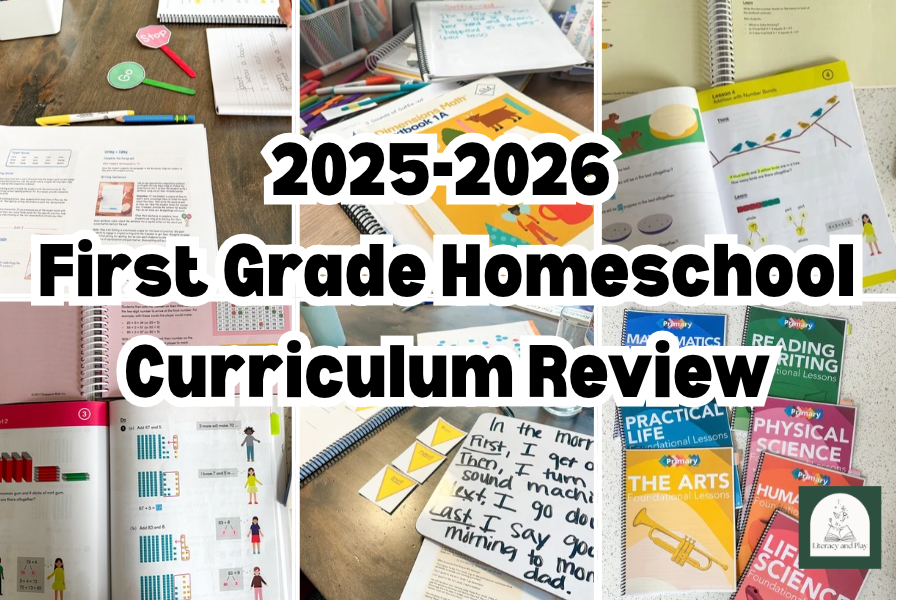
This is my third year homeschooling my oldest. We did Pre-K, Kindergarten, and now First Grade. For first-grade homeschooling, I focused on reading/phonics, math, science, geography, music, and art. I consider our homeschooling style eclectic because I love several approaches from Charlotte Mason, Montessori, hands-on learning, and Unit Studies.
For first grade, I aimed to keep things simple. It was my first year implementing curriculum for electives like geography, science, music, and art. Honestly, I fell off with them halfway through the year. The issue came down to the curriculum, but we stuck it out with the core subjects.
This blog post is all about the 2025 – 2026 First Grade Homeschool Curriculum Review.
Related post: [First Grade Homeschool Schedule]
Curriculum Overview at a Glance
*I am not affiliated with any curriculum companies.*
|
Subject |
Curriculum |
Lesson Planning |
Cost |
|---|---|---|---|
|
Reading/Language Arts |
About an hour of prep work for each lesson unit. |
$138 USD for complete set |
|
|
Phonics |
None |
$10 USD on Christianbook.com |
|
|
Math |
Singapore Dimensions |
About 30 minutes to an hour of prep as a parent-teacher. To understand what you will be teaching and to gather hands-on materials for the lesson. |
$169 USD with HomeEducators Guide |
|
Geography/Social Studies Science Music/Art |
Child of the Redwoods: Primary Life Science Foundational Lessons, The Arts Foundational Lessons, Physical Science Foundational Lessons, and |
It took about an hour to two hours to prep for the weekly lesson. Gathering materials, a hands-on project, and finding literature to go with the lesson. |
Enrollment Fee $150 + $588 Annually USD |
Deep Dive into the Curriculum
Reading/Language Arts Curriculum Review
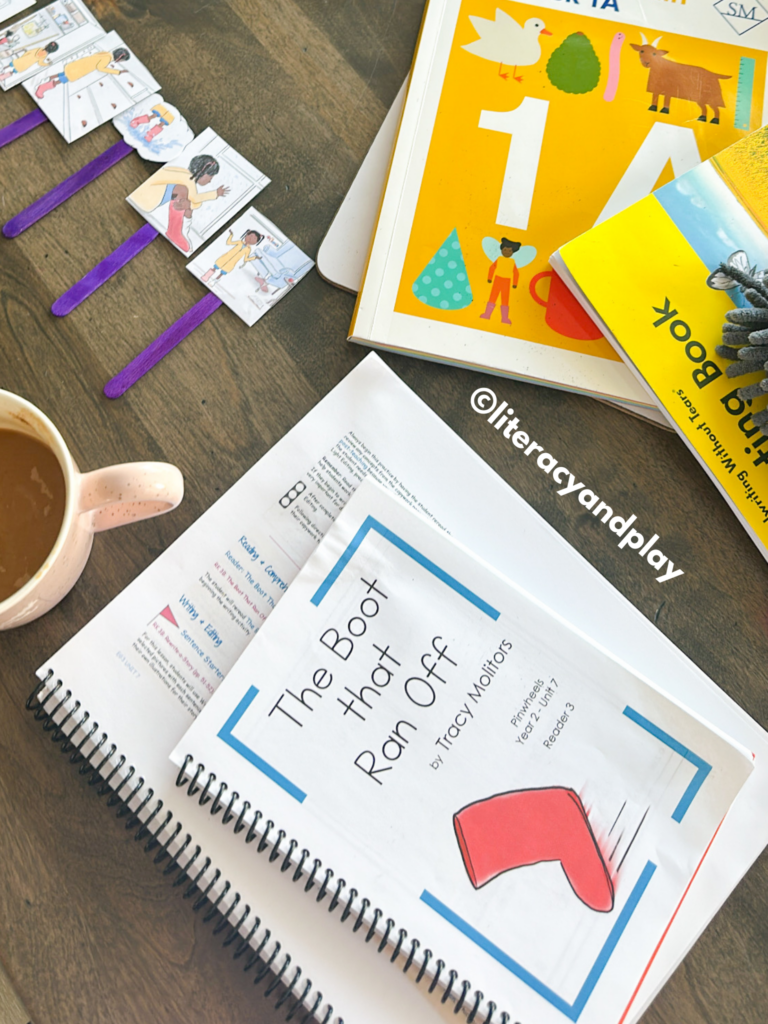
For the Language Arts curriculum, I wanted it to be strong in phonics while also including other skills, such as spelling and early grammar. I used Pinwheels Year 1 by Rooted in Language for my daughter. She loved it, and it worked well. I decided to purchase Pinwheels Year 2 for 1st grade because it included everything I wanted.
Pros of Pinwheels Year 2:
- Uses strategies and approaches from the Science of Reading.
- Includes early grammar teachings.
- Copywork practice.
- Spelling practice.
- Hands-on activities with lessons.
Cons of Pinwheels Year 2:
- PDF Format Curriculum or Purchase already printed and bound.
- Not an open-and-go curriculum. You will need at least an hour to prep all the materials for the unit you will be teaching your child this week. Or print and prep for the whole homeschool year, but that will take a few days.
- Not enough book recommendations; no literature to pair with lessons and curriculum. The curriculum provides a Reading Kit, but that is it. If you do want a literature list for 1st grade, you will have to look it up yourself. It does provide one online, but I printed it all out.
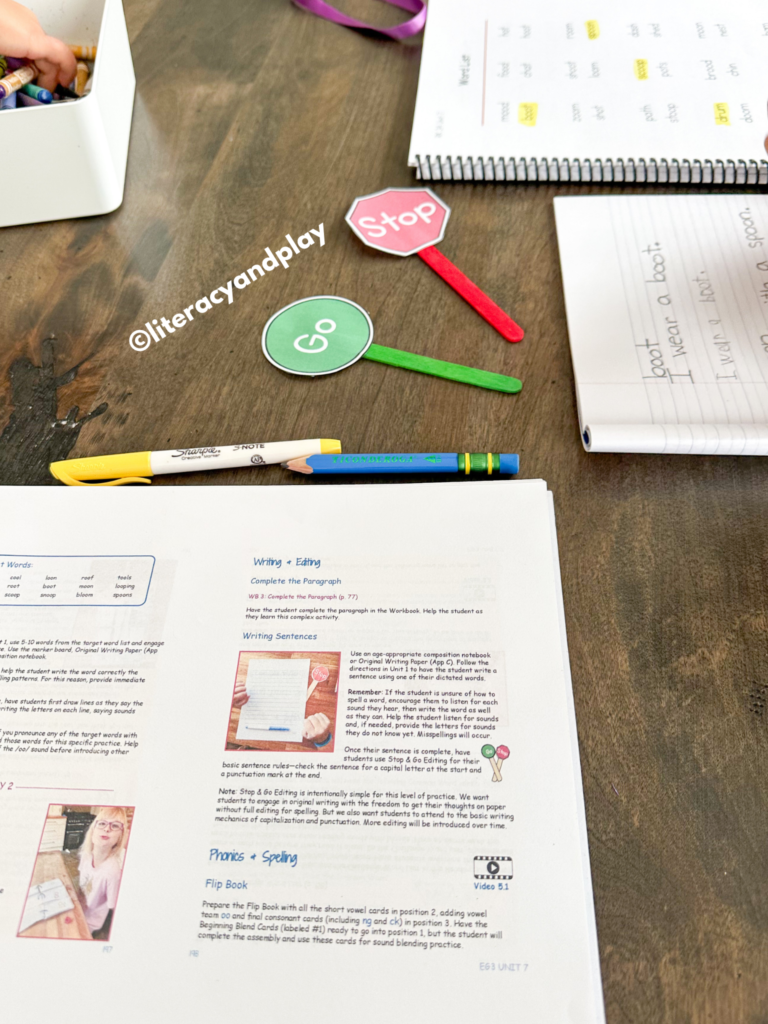
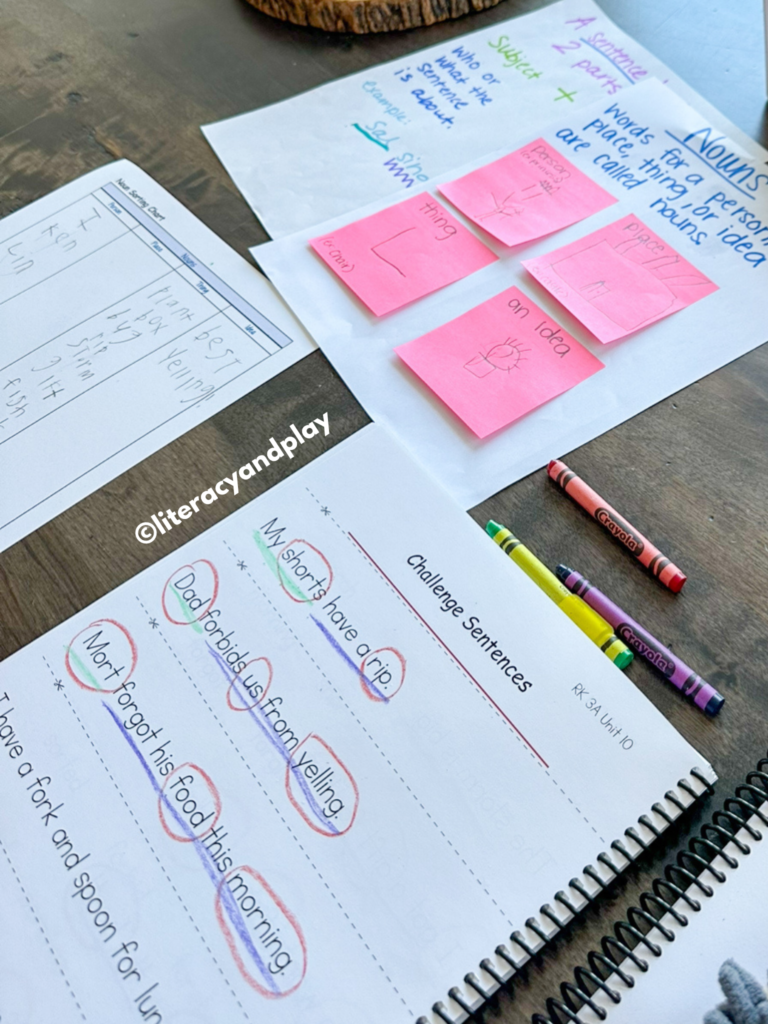
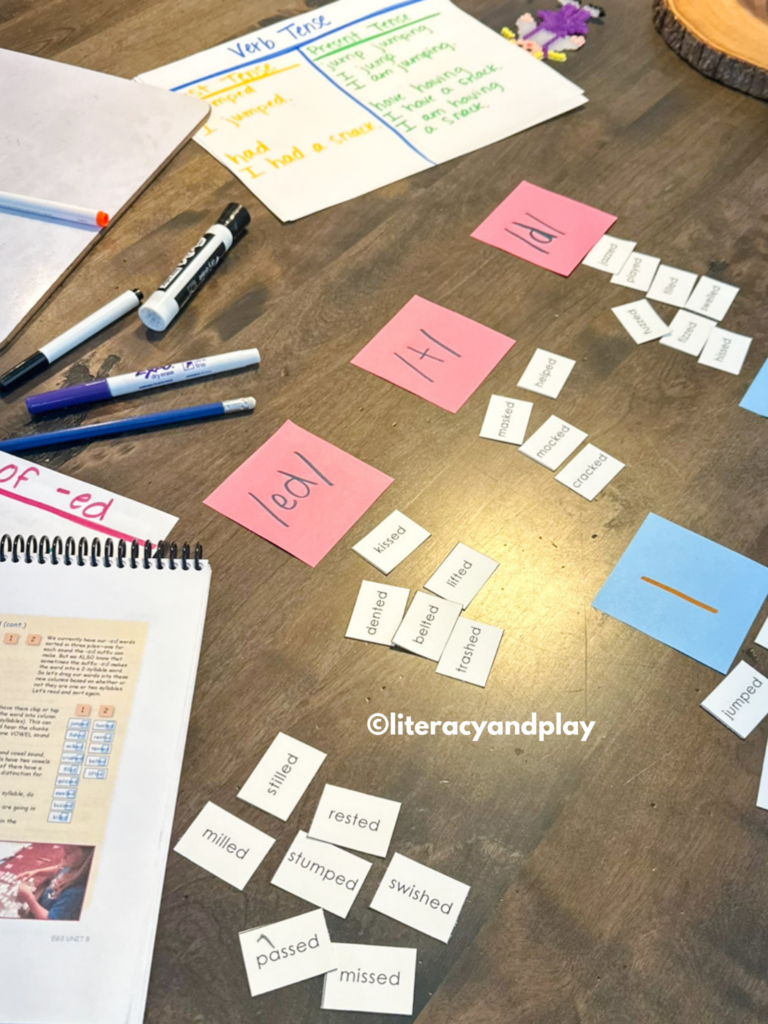
All in all, this is my second year using a curriculum by Rooted and Language, and I definitely recommend it. I will add that this language arts curriculum is also great if your child has learning delays. If you want to look more into Pinwheels Year 2, check out the Rooted in Language Shop.
Check out: Pinwheels Year 2 by Rooted in Language.
Phonics Workbooks
I have been using Explode the Code phonics workbooks since my child started Pre-K at home. This year, we did Explode the Code Book 2 and 2 1/2.
Pros of Explode the Code Books:
- Open and Go Workbook
- Helps reinforce phonics skills
Cons of Explode the Code Books:
- None. I use these workbooks for extra phonics practice.
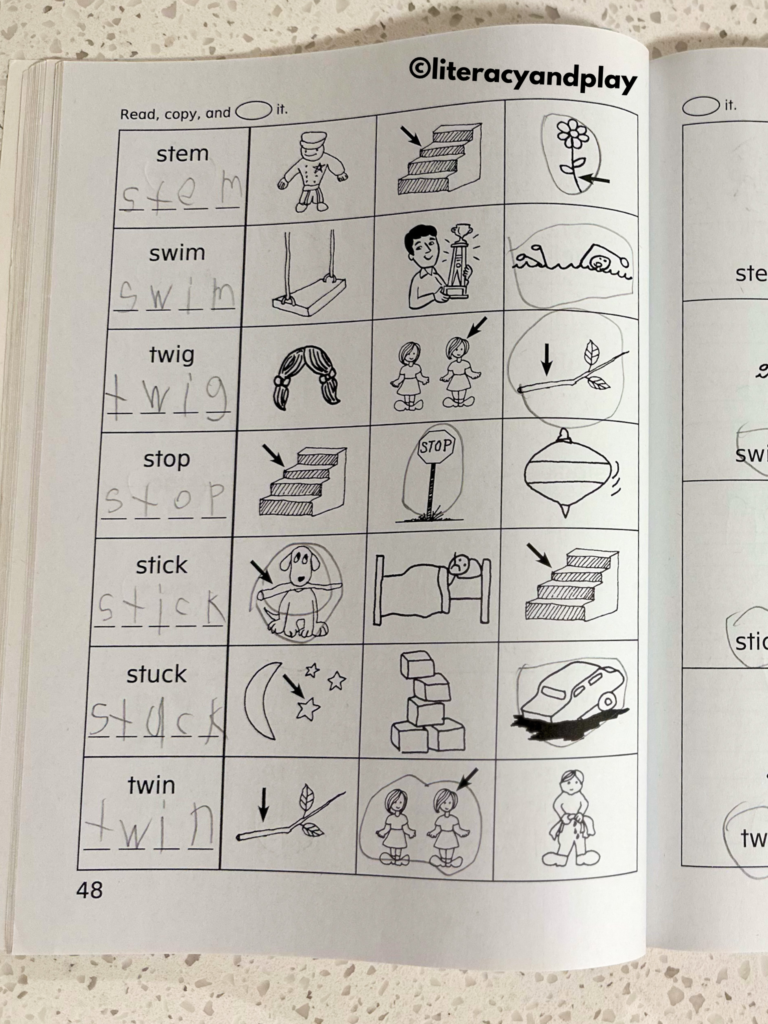
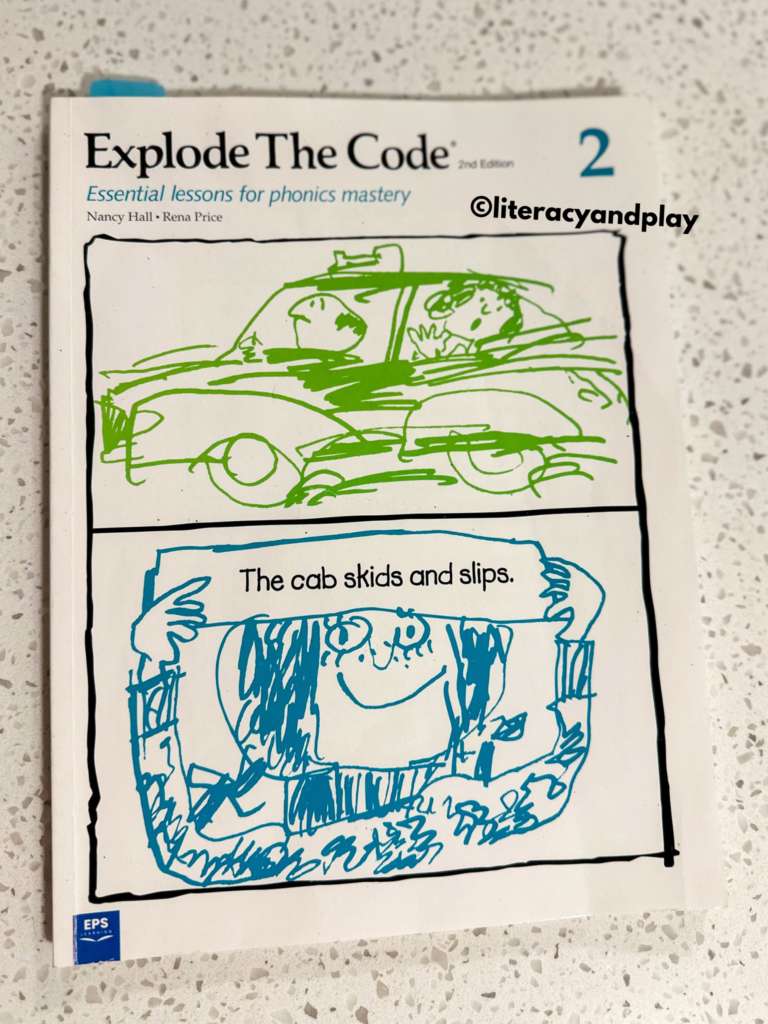
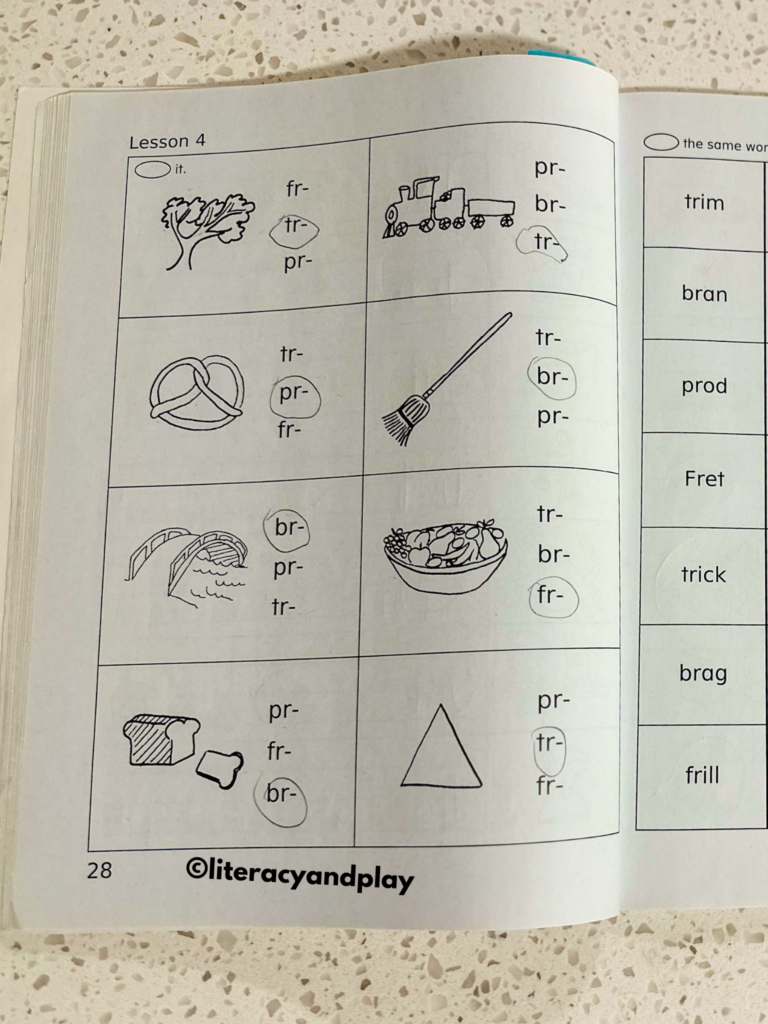
These are great workbooks if you want supplemental phonics practice for your child.
Check out: Explode the Code Book 2 and Explode the Code Book 2 1/2.
Math Curriculum Review
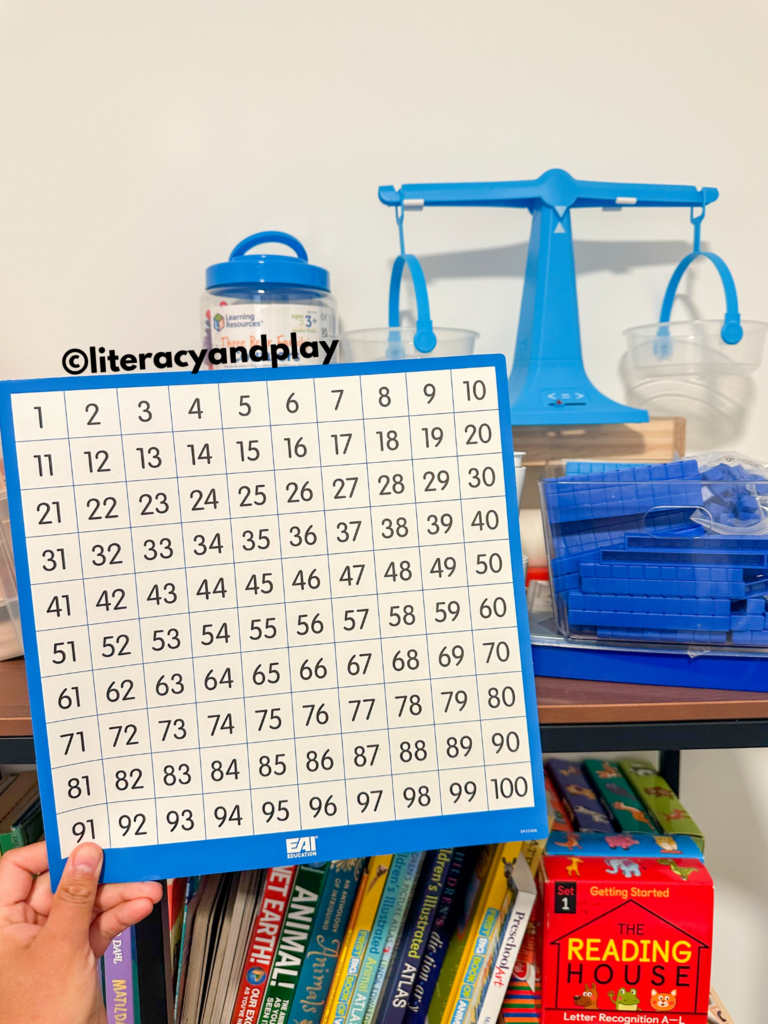
I decided to continue with the Singapore Dimensions 1A and 1B math curriculum. This was a personal preference; my child has used Singapore Dimensions since PKA and PKB. I know there are many other math curriculum options, but I haven’t used any other curriculum to compare; the list below is based on our experience.
Pros of Singapore Dimensions 1A and 1B:
- Mastery Learning Approach
- Shows you different ways to solve the problem
- It has a visual and mental math variation
- Tests at the end of the Chapter
Cons of Singapore Dimensions 1A and 1B:
- The textbook is in color, and the workbook is black and white.
- Sometimes my daughter needed extra practice in a certain chapter, so I created my own practice problems in addition to the workbook problems.
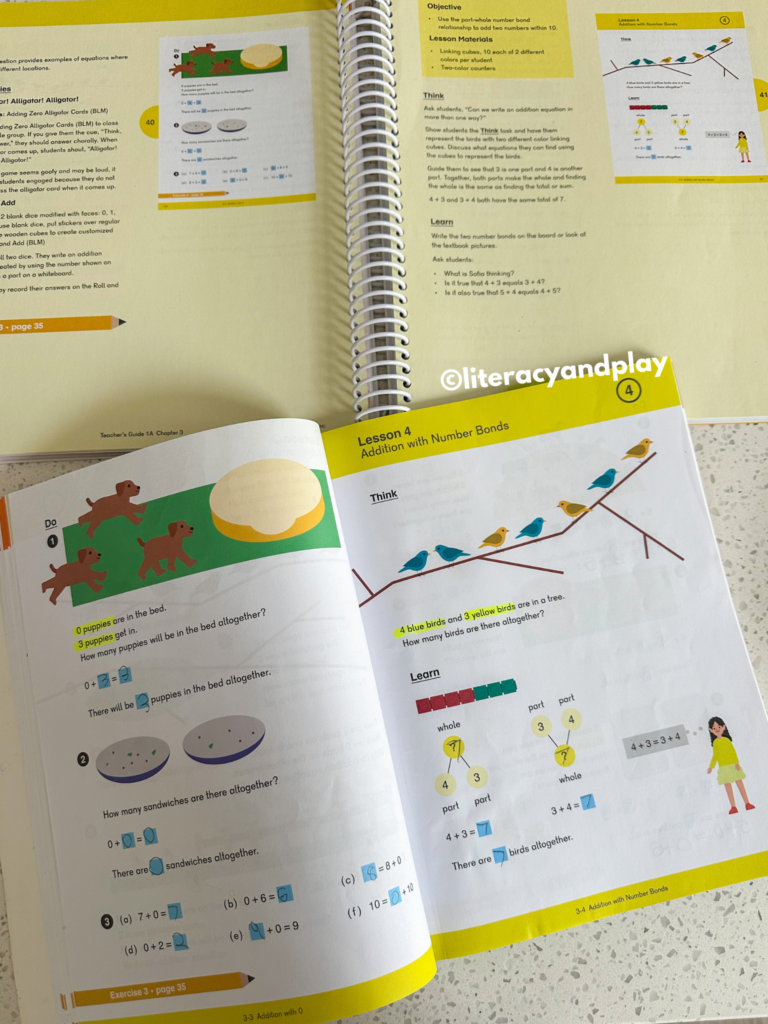
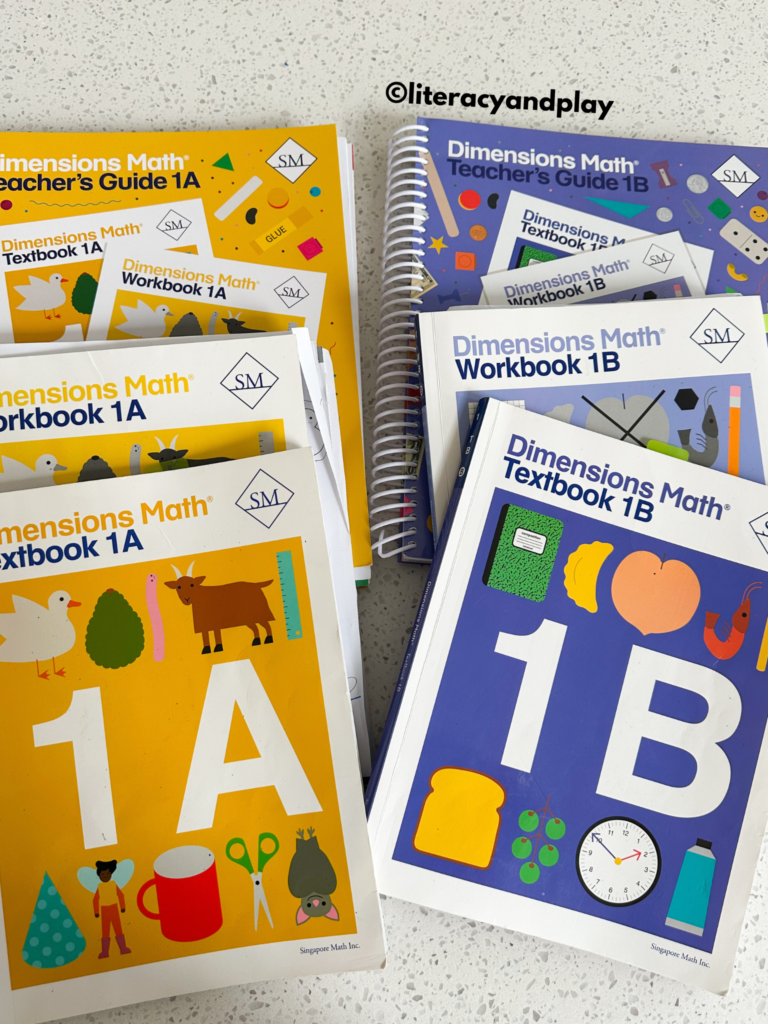
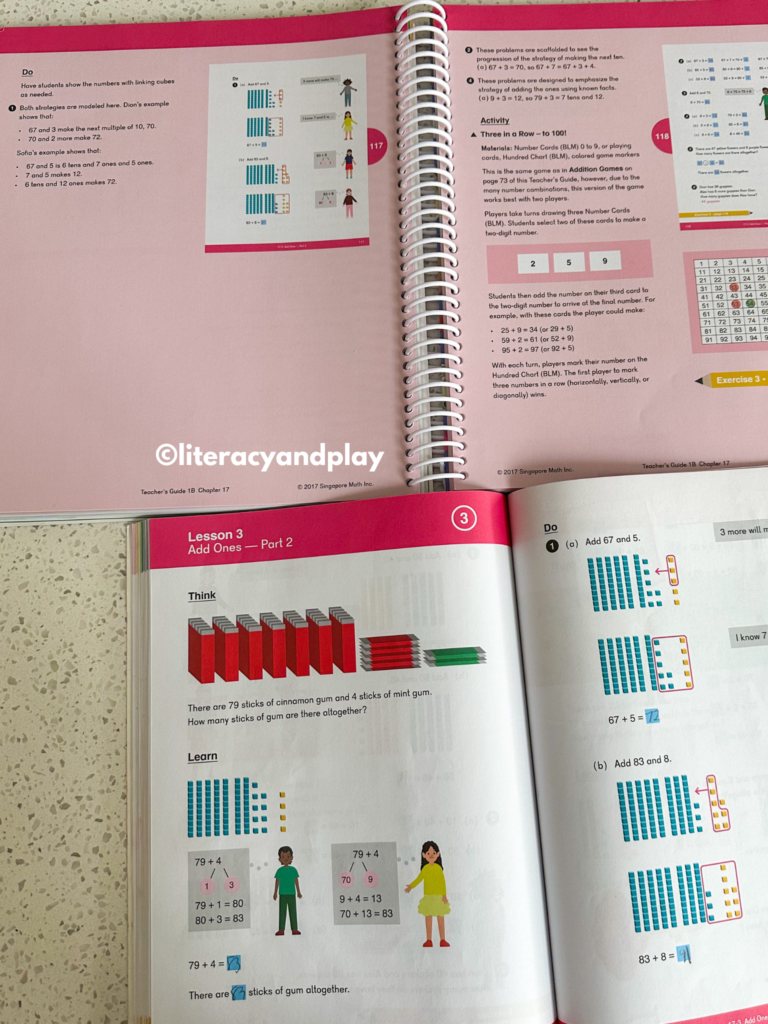
I have been using the Teacher’s Guide strictly since PKA and PKB and have had no issues with it, but it does not include a script, as other math curricula may provide one. For second grade 2A and 2B, I will use the Home Instructor’s Guide for the first time, so I will report back on how different it is.
My daughter has enjoyed the Dimensions Math curriculum. I will be open and honest: we have taken extra time this year to finish this math curriculum. We finished 1B in October 2026. As I mentioned, I created extra practice problems for my daughter so she can fully master the concept.
Check out: Singapore Dimensions 1A and 1B set.
Related Post: [Simple Homeschool Math Manipulatives for Little Learners]
Science, Geography, Social Studies, Music, & Art
Buckle up for this one. If you are not fully immersed in the Montessori learning style, this is not for you. I learned this the hard way because I truly loved the Montessori style of learning in the early years (ages 3-5). I enjoyed the learning activities, mini studies, and hands-on learning then. But honestly, I purchased the lower elementary lessons and barely used them.
I barely used them because I stuck with the primary lessons more, since I had a child in pre-K. Lower elementary lessons are more in-depth, and my child lost interest halfway and would want to learn about something different (after I took the time to prep all the lessons 🥲). For electives, I am more open to following their interests based on the topic or theme we are on.
Pros of Child of the Redwoods Curriculum:
- All-in-one curriculum
- Individualized Pacing: You choose the theme/topic to teach your child
- It gives you clear steps if you are just beginning your Montessori learning with your child
- Great if you have more than one child, because it covers lower elementary
- Encourages hands-on learning
Cons of Child of the Redwoods Curriculum:
- It takes a lot of planning and prep work
- May require you to purchase additional materials from what is provided in the curriculum (ex: purchase extra learning printables or hands-on materials)
- You either pay up front or pay a subscription cost
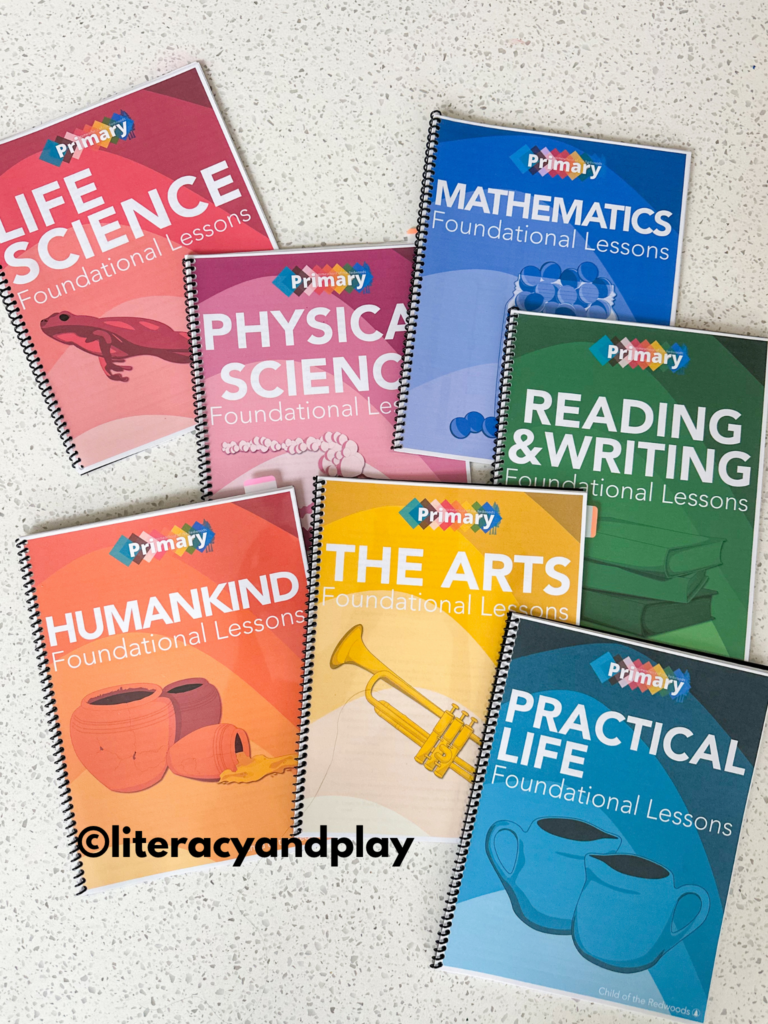
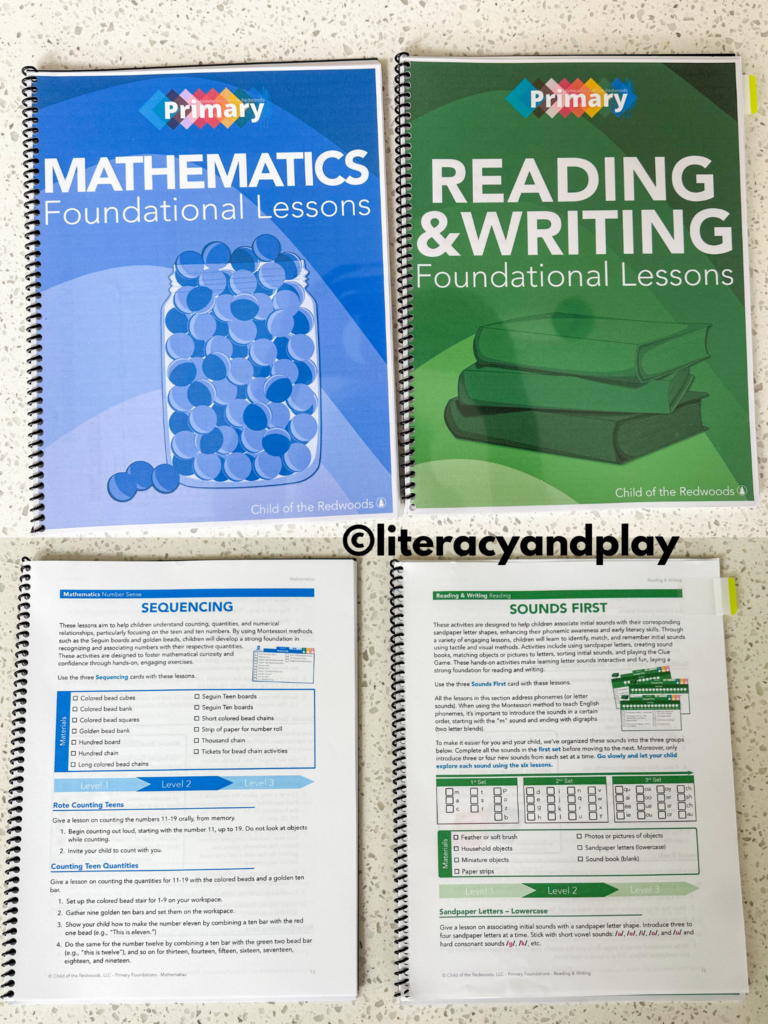
Overall, I did love this curriculum. I purchased the lower elementary curriculum to teach the electives, but I still ended up spending more money than I planned. They do provide some printable activities and lesson pages, but I stopped using it when I found myself on Etsy or TeachersPayTeachers purchasing more material.
I decided to part with this Montessori curriculum, even though I wanted to stick with it. It no longer fit our family. If you truly want a Montessori learning style for your child, I do recommend this curriculum. The curriculum creators offer support and videos on how to teach your child certain lessons.
Check out: Child of the Redwoods.
Final Thoughts
Hopefully, these recommendations have helped you finalize your child’s first-grade curriculum. I was hesitant to share my child’s curriculum picks because I don’t want you to feel like you need to do this one or that this is the best one. Personally, I enjoy researching curriculum and learning the good and the bad. I hope you enjoyed reading or skimming this post and feel encouraged.
Remember to always choose a curriculum that best fits your child’s learning and family style.